Understanding wärmepumpe bosch Technology
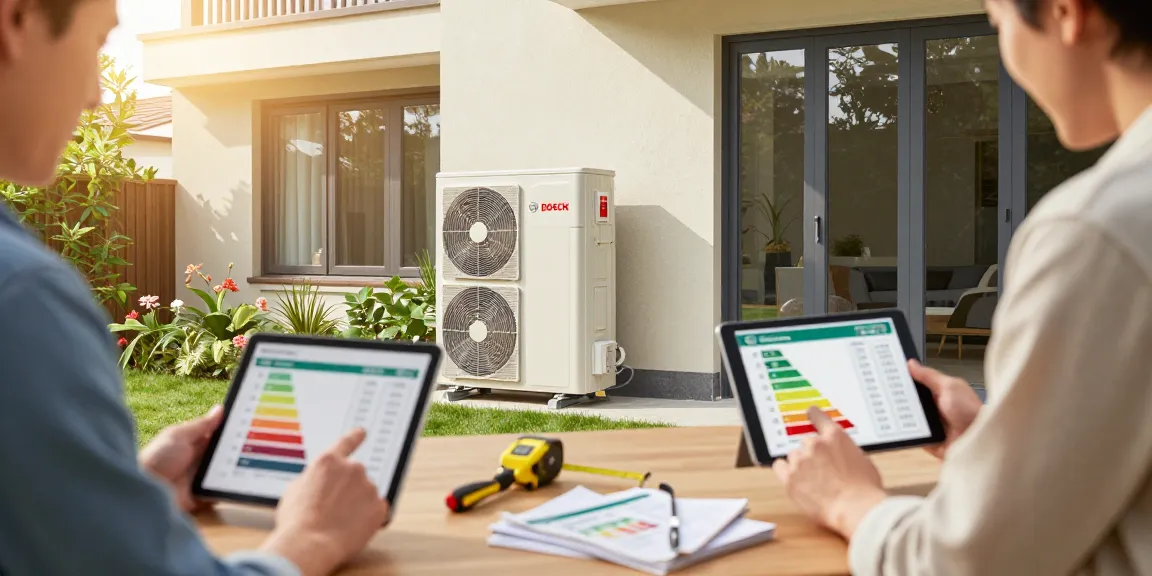
The wärmepumpe bosch, or Bosch heat pump, represents a significant advancement in modern heating technology, providing energy-efficient solutions for residential and commercial properties. These systems utilize ambient air, ground, or water sources to generate heat, dramatically reducing reliance on traditional fossil fuels. With increasing energy costs and a growing emphasis on sustainability, many homeowners and builders are considering options like the Bosch heat pump to meet their heating needs. In this context, wärmepumpe bosch serves as an invaluable resource for understanding the various models available, their features, and their energy efficiency ratings.
What is a wärmepumpe bosch?
A wärmepumpe bosch is a type of heat pump manufactured by Bosch, designed to provide heating, cooling, and hot water for homes and buildings. These systems are available in several configurations, including air-to-water, ground-to-water, and water-to-water systems. The primary function of a Bosch heat pump is to extract heat from one medium (such as air or ground) and transfer it to another (like water) to regulate indoor temperatures. With innovations in design and technology, Bosch heat pumps have become a popular choice for energy-conscious homeowners seeking to lower their carbon footprint.
How Bosch heat pumps work for home heating
Bosch heat pumps operate by using a refrigeration cycle that involves four key components: the evaporator, compressor, condenser, and expansion valve. The process begins with a refrigerant that absorbs heat from the outside air or ground in the evaporator. The compressor then pressurizes the refrigerant, raising its temperature before it moves to the condenser. Here, the heat is released into the home’s heating system, warming the indoor air or water. Finally, the refrigerant expands and cools down before returning to the evaporator to repeat the cycle. This efficient heat exchange mechanism allows Bosch heat pumps to operate at impressive energy efficiency ratings, often significantly outperforming traditional heating systems.
Energy efficiency ratings and benefits
The energy efficiency of Bosch heat pumps is measured using the seasonal coefficient of performance (SCOP), which indicates how much heat energy is produced per unit of electricity consumed. Many Bosch models have SCOP ratings as high as 4.8, meaning they can produce up to 4.8 kilowatts of heat for every kilowatt of electricity utilized. This efficiency translates into substantial cost savings on energy bills, lower greenhouse gas emissions, and reduced dependence on fossil fuels. Additionally, Bosch heat pumps are designed to operate quietly, making them suitable for residential settings where noise can be a concern.
Financial Advantages of Installing a wärmepumpe bosch
Initial costs versus long-term savings
Investing in a wärmepumpe bosch may involve significant upfront costs, typically ranging from €20,000 to €40,000 for an average-sized single-family home, including installation. However, long-term savings on utility bills can be substantial, as heat pumps can reduce heating costs by up to 50% compared to traditional heating solutions. Furthermore, the durability and low maintenance requirements of Bosch heat pumps can contribute to lower overall ownership costs, making them a wise financial choice for many homeowners.
Government incentives and rebates for homeowners
Governments worldwide are increasingly offering incentives and rebates to encourage the adoption of energy-efficient heating solutions like Bosch heat pumps. In many regions, homeowners may qualify for tax credits, grants, or rebates that can substantially offset the initial purchase and installation costs. It’s vital for potential buyers to research local incentives, as these programs can enhance the financial viability of switching to a Bosch heat pump.
Impact on property value
Installing a wärmepumpe bosch can positively influence a property’s market value. Energy-efficient features are increasingly appealing to homebuyers, as they promise reduced energy costs and a smaller environmental footprint. A home equipped with a modern heat pump can stand out in the real estate market, potentially leading to higher offers and quicker sales.
Common Misconceptions About wärmepumpe bosch
Noise levels and home comfort
One common misconception about heat pumps, including those from Bosch, is that they are noisy. While older models may have produced considerable sound, advancements in technology have led to the creation of quieter units. Many Bosch models operate at sound levels as low as 46 dB(A), making them one of the quietest options available. As such, homeowners can enjoy comfort without the disturbance of excessive noise.
Maintenance requirements and costs
Another myth is that heat pumps require constant maintenance and are prone to costly repairs. While regular maintenance is necessary for all heating systems, Bosch heat pumps are designed for reliability and durability. Most homeowners can expect minimal issues if routine servicing is performed, such as annual inspections and filter changes. The overall maintenance costs tend to be lower than those associated with conventional heating systems, especially in terms of repairs and replacements.
Comparison with traditional heating systems
Many individuals still question whether heat pumps can adequately replace traditional heating systems like gas or oil heating. Bosch heat pumps have demonstrated exceptional performance, even in colder climates, thanks to enhanced insulation and compressor technology. Additionally, they provide both heating and cooling capabilities, offering year-round climate control, which traditional heating systems do not offer.
Implementing a wärmepumpe bosch in Your Home
Choosing the right model and size for your needs
Selecting the appropriate wärmepumpe bosch model and size is crucial for optimal performance and efficiency. Factors to consider include the size of the home, insulation quality, and specific heating and cooling requirements. Consulting with a professional HVAC contractor can help homeowners assess their needs and recommend the best system configuration for their situation.
Installation process and what to expect
The installation of a Bosch heat pump generally involves several steps, including site evaluation, system design, and actual installation. Homeowners should expect a professional technician to assess their property to determine the best placement for the indoor and outdoor units. Proper installation is essential to ensure the system operates efficiently, thus guaranteeing energy savings and comfort.
Best practices for maximizing efficiency
To maximize the efficiency of their wärmepumpe bosch, homeowners should adopt several best practices. Regular maintenance, such as cleaning or replacing filters, and ensuring that the outdoor unit is free from debris can enhance performance. Additionally, integrating smart thermostats can optimize temperature settings based on occupancy patterns, further reducing energy consumption.
Future Trends in Heat Pump Technology
Innovations in Bosch wärmepumpe models for 2026
The future of heat pump technology looks promising, with Bosch continually innovating to improve efficiency and user experience. Anticipated advancements for 2026 include increased SCOP ratings, enhanced noise reduction technologies, and better integration with alternative energy sources such as solar power. These innovations aim to provide even greater energy savings and environmental benefits.
Smart home integration capabilities
As smart home technology becomes increasingly popular, Bosch is likely to enhance its heat pump systems with features that allow seamless integration with home automation platforms. This capability would enable homeowners to monitor and control their heating systems remotely, adjust settings based on real-time data, and optimize energy use, further enhancing convenience and comfort.
Environmental impact and sustainability goals
In an era of heightened environmental awareness, Bosch is committed to aligning its wärmepumpe technology with global sustainability goals. Continuous improvements in energy efficiency, reduced emissions, and recyclable materials in manufacturing processes are expected trends in future models. By investing in Bosch heat pumps, homeowners can take part in sustainable living while enjoying the benefits of modern heating solutions.
What is the average cost of a wärmepumpe bosch installation?
As mentioned earlier, the installation costs for a wärmepumpe bosch can vary significantly depending on various factors, including the size of the system and the complexity of the installation. Homeowners should typically budget between €20,000 to €40,000 for a complete installation, though potential savings on energy bills may offset these initial costs over time.
How does a wärmepumpe bosch compare to traditional heating?
In comparison to traditional heating systems, Bosch heat pumps offer substantial benefits, particularly in energy efficiency and environmental impact. While traditional systems often rely on fossil fuels and can have high operational costs, Bosch heat pumps can significantly reduce energy consumption, leading to lower bills and a smaller carbon footprint.
Are there specific maintenance tips for Bosch heat pumps?
To ensure the longevity and efficiency of a Bosch heat pump, homeowners should follow specific maintenance tips. Regular inspections by a qualified technician, timely filter replacements, and keeping the outdoor unit clear of obstructions are essential practices that contribute to optimal performance and longevity.
How can a wärmepumpe bosch improve energy efficiency?
A wärmepumpe bosch can improve energy efficiency by utilizing renewable energy sources and maintaining low operational costs. The advanced technology integrated into Bosch heat pumps allows for superior efficiency compared to traditional heating systems, ultimately saving homeowners money while promoting environmental sustainability.
What advancements can we expect in wärmepumpe technology by 2026?
By 2026, advancements in wärmepumpe technology are anticipated to focus on enhanced system efficiency, smart home capabilities, and greater integration with renewable energy sources. These changes will further revolutionize heating methods in residential and commercial properties, helping to meet growing energy demands sustainably.