Understanding the Blockchain Landscape in 2026
As we move into 2026, the blockchain landscape continues to evolve at a rapid pace, addressing critical issues and unlocking new opportunities across various sectors. For both enthusiasts and professionals, staying informed about the latest advancements in blockchain 2026 is essential to leveraging its full potential. Blockchain technology has transcended its initial applications in cryptocurrency and is now poised to redefine traditional business models, enhance security, and facilitate seamless transactions globally.
What is Blockchain Technology?
Blockchain technology is a decentralized digital ledger system that records transactions across many computers, ensuring that records cannot be altered retroactively without the modification of all subsequent blocks. This structure enables secure, transparent, and tamper-proof record-keeping and has applications extending beyond cryptocurrencies to various fields including finance, healthcare, supply chain, and more.
Current Trends and Developments
The blockchain space is witnessing several trends that are shaping its future. Key among these is the rise of decentralized finance (DeFi), which is making financial services more accessible. Additionally, the integration of blockchain with artificial intelligence (AI) and Internet of Things (IoT) is enabling smarter contracts and automated processes. Innovations in layer-2 scaling solutions are also enhancing transaction speeds and reducing costs, critical factors for mainstream adoption.
Key Benefits of Blockchain in Various Industries
- Financial Services: Enhanced security and transparency in transactions.
- Supply Chain Management: Improved traceability of products, reducing fraud and ensuring quality.
- Healthcare: Secure sharing of patient data among authorized parties to improve care.
- Government: Increased transparency and efficiency in public records management.
Major Blockchain Events and Conferences in 2026
Top Events to Attend for Networking and Growth
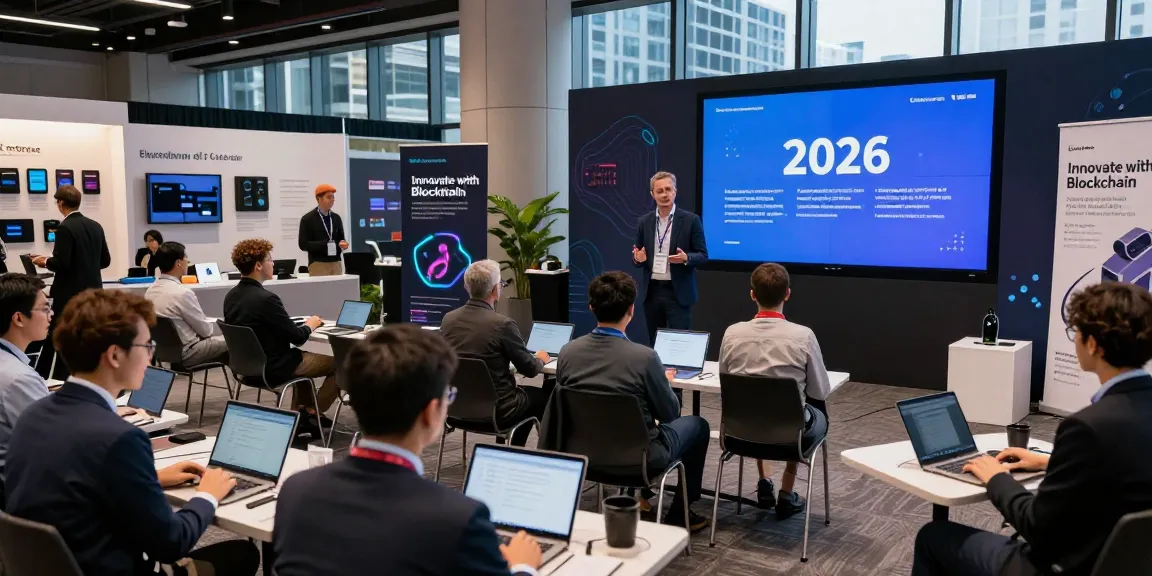
2026 is set to host numerous blockchain conferences where industry leaders, innovators, and enthusiasts will come together to share insights and network. Events like the Consensus Miami 2026 and the Paris Blockchain Week present opportunities to understand market trends, access cutting-edge research, and engage with potential partners or clients.
What to Expect at the Blockchain Conferences?
Participants can look forward to keynote speeches from industry experts, panel discussions, and workshops focusing on practical applications of blockchain technology. These events foster a collaborative environment where attendees can explore new ideas and form strategic partnerships that can drive innovation.
How to Maximize Your Participation
To make the most of your conference experience, plan your agenda in advance. Identify sessions and workshops that align with your interests and professional goals. Networking is a vital aspect—don’t hesitate to introduce yourself to speakers and fellow attendees. Bring ample business cards to facilitate follow-up after the event.
Challenges Facing Blockchain Adoption in 2026
Addressing Scalability and Performance Issues
Despite its potential, blockchain faces challenges concerning scalability and performance. As more users join a network, transaction speeds can slow down, leading to bottlenecks. Solutions like sharding and off-chain transactions are being explored to alleviate these issues, allowing for a more efficient processing of transactions.
Regulatory Hurdles and Compliance Challenges
As blockchain’s influence grows, so does regulatory scrutiny. Different jurisdictions have varied approaches to blockchain and cryptocurrency regulations. Navigating these regulations can be daunting for businesses looking to integrate blockchain technology, making compliance a priority area for development.
Concerns About Security and Privacy
While blockchain is lauded for its security features, it is not immune to attacks. Smart contracts, which automate processes, can have vulnerabilities that hackers exploit. Ensuring robust security measures while also maintaining user privacy is a complex challenge that developers must address moving forward.
Innovative Use Cases of Blockchain in 2026
Decentralized Finance (DeFi) Transformations
The DeFi sector is one of the most dynamic aspects of blockchain in 2026. DeFi platforms are democratizing access to financial services, enabling users to lend, borrow, and earn interest on their crypto holdings without traditional financial intermediaries. With innovations like yield farming and liquidity mining, users are finding new ways to maximize their investments.
Blockchain in Supply Chain Management
Supply chain management is undergoing a revolution, thanks to blockchain. By providing a transparent and immutable record of transactions, blockchain enhances traceability, reduces fraud, and improves accountability among stakeholders across the supply chain.
Impact of NFTs on Digital Ownership
The rise of non-fungible tokens (NFTs) is transforming how we perceive digital ownership. In 2026, the NFT market continues to evolve beyond art into music, gaming, and virtual real estate. This shift is prompting discussions on intellectual property rights and the future of ownership in a digital age.
Future Predictions for Blockchain Beyond 2026
Emerging Technologies Intersecting with Blockchain
The intersection of blockchain with technologies like AI and IoT will create new possibilities. AI can enhance blockchain by optimizing processes such as security monitoring or fraud detection, while IoT devices can provide real-time data to fuel blockchain applications in sectors like logistics and supply chain.
The Role of AI in Enhancing Blockchain Solutions
As blockchain expands, AI is expected to play a critical role in analyzing vast amounts of blockchain data. This synergy can improve decision-making processes, tailor financial products to individual user needs, and enhance the overall efficiency of blockchain networks.
Long-term Impact on Global Financial Systems
Looking beyond 2026, blockchain has the potential to fundamentally alter the landscape of global financial systems. By promoting transparency, reducing transaction costs, and enhancing trust among participants, blockchain can lead to more inclusive financial services that are accessible to a broader population.
What are the key features of blockchain technology?
Key features of blockchain technology include decentralization, transparency, immutability, and security. These characteristics contribute to its robust nature and appeal across various sectors.
How will blockchain influence the future of work?
Blockchain could decentralize various workplace functions, leading to more autonomous work environments. Smart contracts might automate and streamline workflows, reducing the need for intermediaries.
What are the investment opportunities in blockchain for 2026?
Investment opportunities in blockchain in 2026 include DeFi projects, NFT marketplaces, and blockchain infrastructure startups. As the technology solidifies its position, early investors might see substantial returns.
Is blockchain technology secure?
While blockchain offers enhanced security features, it is not foolproof. Users must remain vigilant about protecting their private keys and understanding the security measures on any blockchain application.
What skills are needed to work in blockchain?
Working in the blockchain sector often requires a mix of technical skills, such as proficiency in programming languages (e.g., Python, Solidity), as well as an understanding of cryptography and the ability to analyze complex systems.